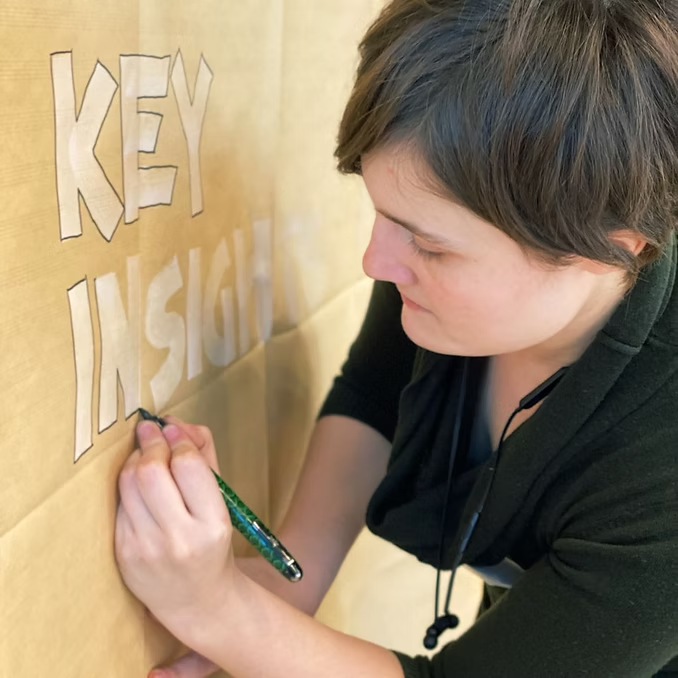
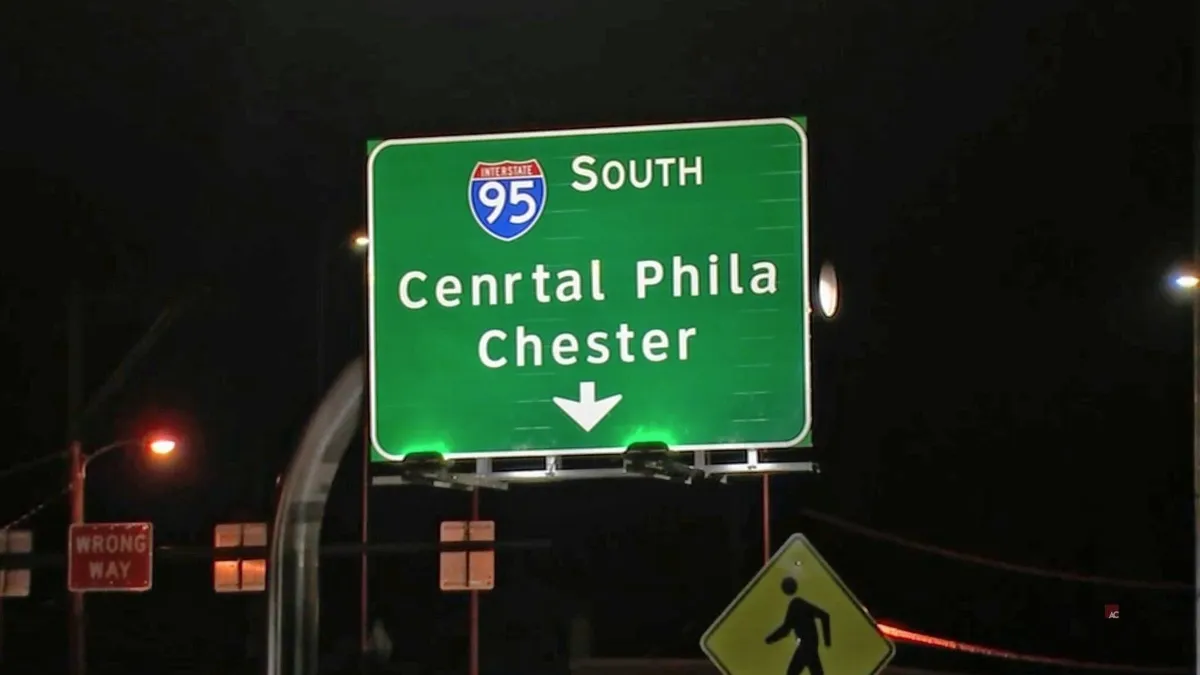
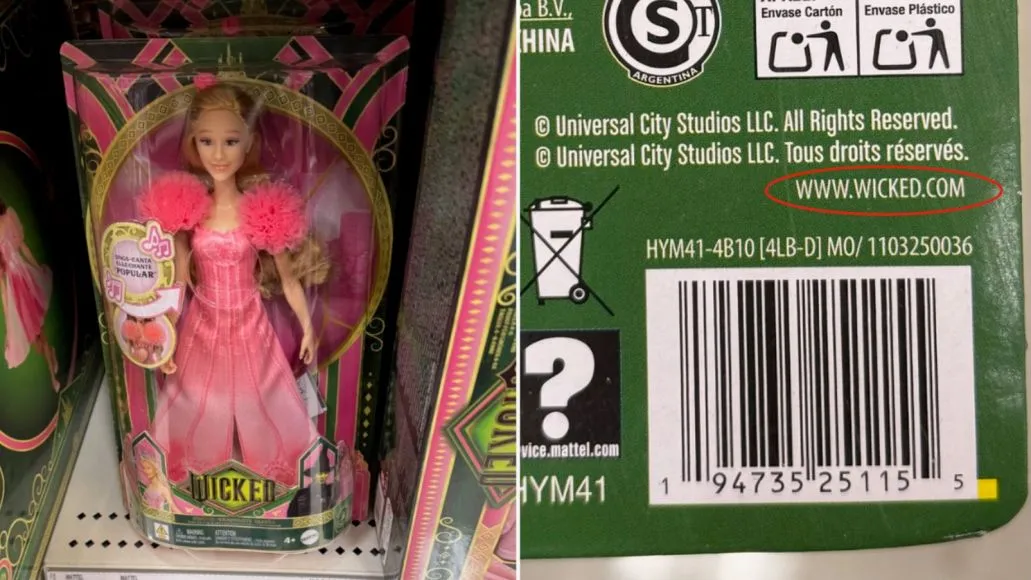
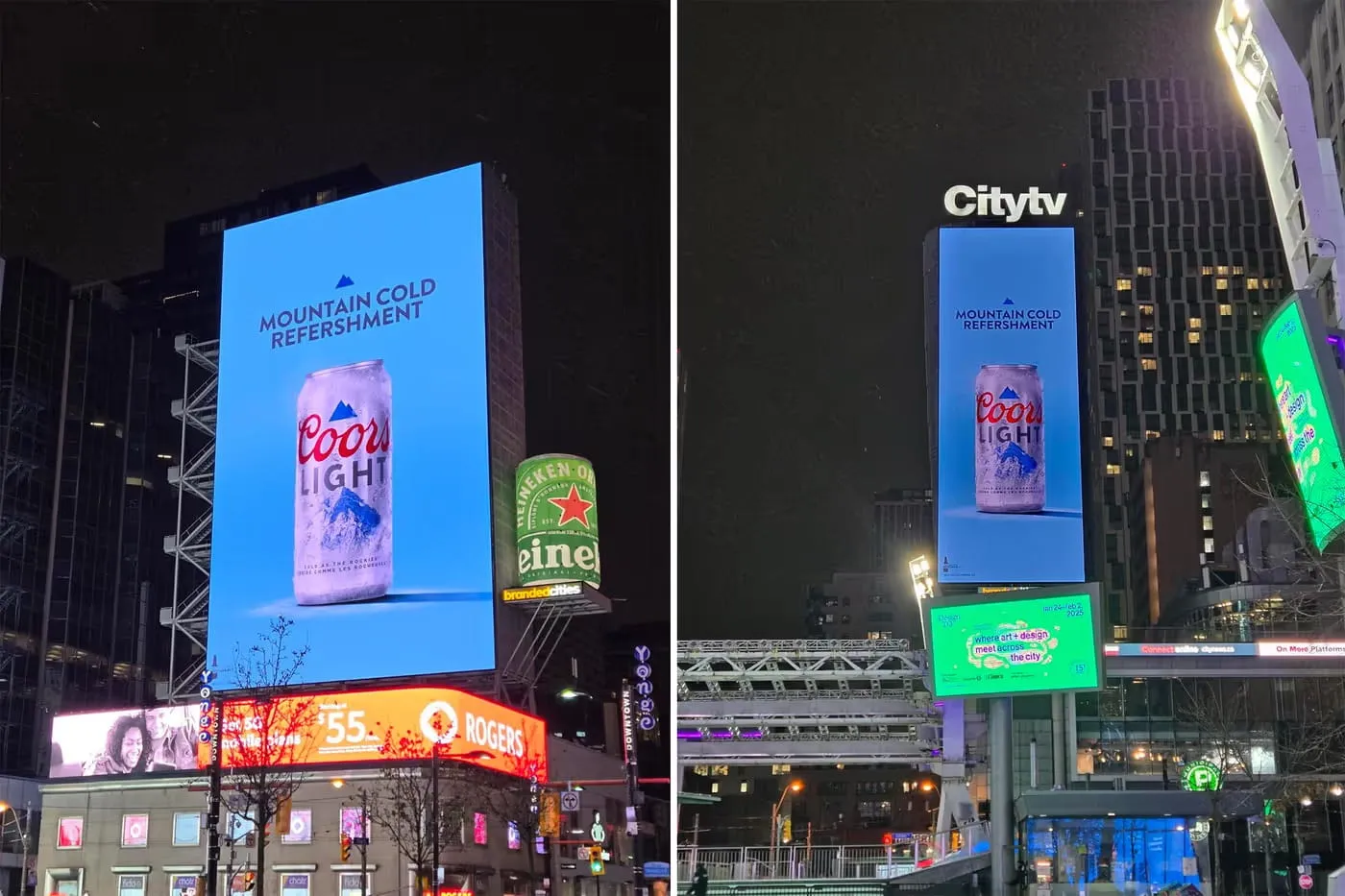
Why Typos in Marketing Graphics Are More Common Than You Think
About 60% of marketing images scanned with Gard contain at least one typo. Here's why they are more common than you think.
Promoting Gard has made me realize just how common typos are in image-based marketing materials.
My current marketing strategy involves browsing LinkedIn profiles—mostly of marketing agencies and freelancers sharing their portfolios—and grabbing images that contain copy to run them through Gard. I then reach out to point out the typos in their published work while introducing them to the tool.
Surprisingly, about 60% of the images I scan with Gard contain at least one typo, and some have over half a dozen. These are usually errors involving grammatical nuances, which makes them particularly easy to miss.
Why does this happen so often?
- Disconnected workflows: Usually, the person designing the ad in Photoshop or Illustrator is working with copy they didn’t write. Their attention goes completely to the visual aspects of the image, meaning the actual text is often ignored by the designer.
- The format trips up standard checkers: Writing in Google Docs comes with easy-to-use proofreading tools designed for structured, continuous text. Marketing graphics are completely different—they need to catch the user's eye with letter styling, random line breaks, and complex layouts.
- Context is missing: Just about every modern design software has a built-in spellchecker that underlines misspelled words. But they’re just spellcheckers. They are incapable of looking at the image as a whole to understand how context and design choices affect meaning. For example, Gard knows when a word is ironically misspelled because it analyzes the surrounding context, and it won’t suggest an unnecessary correction.
Proofing images is a continuous process that needs to happen at multiple stages throughout the design process. Every revision of an image includes changes that improve the overall aesthetic, but these changes can unintentionally introduce typos or revert errors that you thought were already fixed. This makes it incredibly easy for mistakes to slip into the final draft and eventually into production.
Gard is the last layer of defense that catches these errors before they go live.
Disclaimer: Gard provides automated design proofing powered by advanced AI. While highly accurate, we advise users to always conduct a final manual review of high-stakes business, medical, or legal graphics before sending to production.